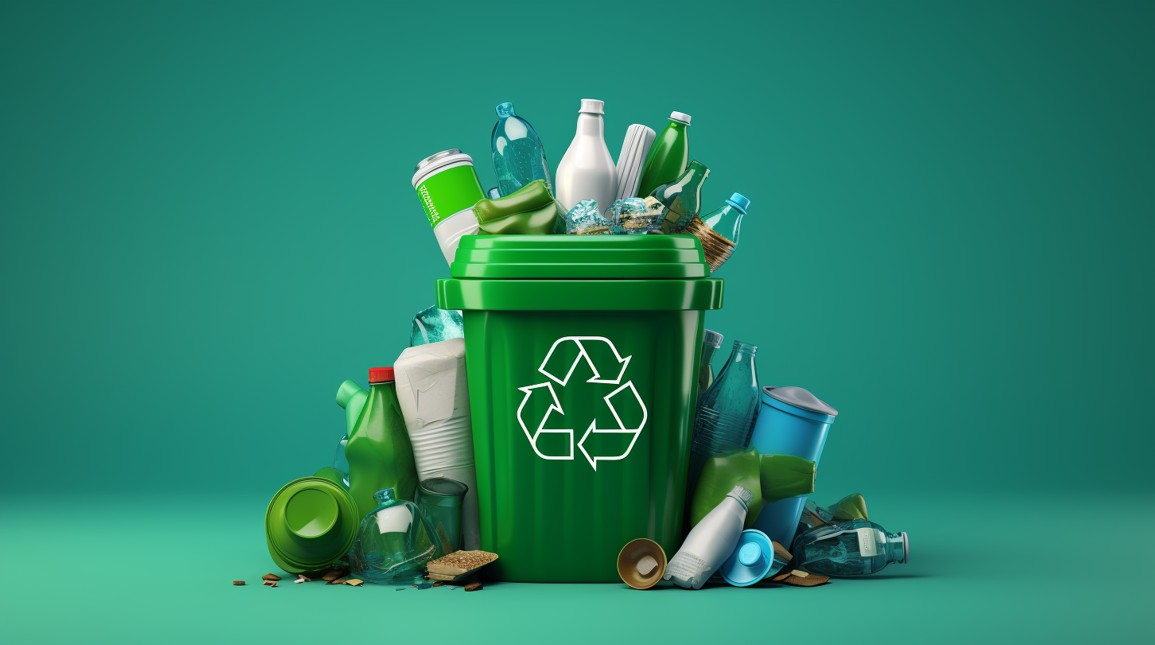
Waste disposal plays a crucial role in maintaining healthy communities, protecting the environment and ensuring homes and businesses operate smoothly. While it may not always receive much attention in daily life, proper waste management systems are essential for preventing pollution, controlling harmful bacteria and maintaining hygienic living spaces.
From household rubbish to wastewater treatment, effective waste disposal systems support both public health and environmental sustainability. Understanding why waste disposal matters can help individuals and organisations make better choices about how they manage waste.
Protecting Public Health
One of the most important reasons why waste disposal matters is its impact on public health. When waste is not handled properly, it can become a breeding ground for bacteria, pests and disease. Accumulated waste can contaminate soil and water sources, which may lead to serious health risks for communities. Efficient waste collection, treatment and disposal systems help prevent these hazards by safely removing and processing waste before it becomes harmful.
Proper waste management also reduces unpleasant odours and keeps environments clean and safe for people to live and work in.
Preventing Environmental Pollution
Improper waste disposal can have significant environmental consequences. When waste is dumped or untreated sewage enters natural waterways, it can pollute rivers, lakes and soil. These pollutants can harm wildlife, damage ecosystems and contaminate drinking water supplies. Effective waste treatment processes help remove harmful substances and ensure that waste is handled in a way that protects the surrounding environment.
Responsible waste disposal is, therefore, a key part of environmental conservation and sustainable living.
Ensuring Effective Wastewater Treatment
Waste disposal is not limited to solid waste. Wastewater from homes and businesses also requires proper treatment to prevent contamination. Properties that are not connected to a main sewer network often rely on sewage treatment systems to safely manage wastewater.
Systems such as the Tricel Novo sewage treatment plant are designed to treat wastewater effectively before it is discharged. These systems use proven technology with multiple treatment zones that carry out different stages of purification, making them suitable for domestic, commercial and communal applications.
The treatment process typically involves several stages that separate solids and allow microorganisms to break down pollutants in the water. This helps ensure the discharged water is much cleaner and safer for the environment.
Choosing the right wastewater treatment solution is important for maintaining compliance with environmental standards and ensuring that properties manage their wastewater responsibly.
Supporting Sustainable Communities
Businesses, local authorities and individuals should all play a role in supporting sustainable waste disposal by adopting responsible practices and investing in reliable treatment systems. After all, effective waste disposal systems contribute to cleaner, more sustainable communities. When waste is properly managed, it becomes easier to recycle materials, recover resources and reduce the amount of waste sent to landfill. Communities with strong waste management practices also benefit from improved environmental quality, which can enhance property values and overall quality of life.
Final Thoughts
Waste disposal is far more important than many people realise. Whether it involves everyday rubbish collection or advanced wastewater solutions, responsible waste disposal ensures that waste is handled safely and efficiently. By prioritising proper waste management, individuals and businesses can contribute to cleaner environments and healthier living conditions for everyone.